
By Jonathan Forani, Sr. Editorial and Media Strategist; and Dea Masotti Payne, Sr. Account Manager


“What happened to Miss Independent?” Kelly Clarkson once sang. In 2026, Miss Independent got mad as hell.
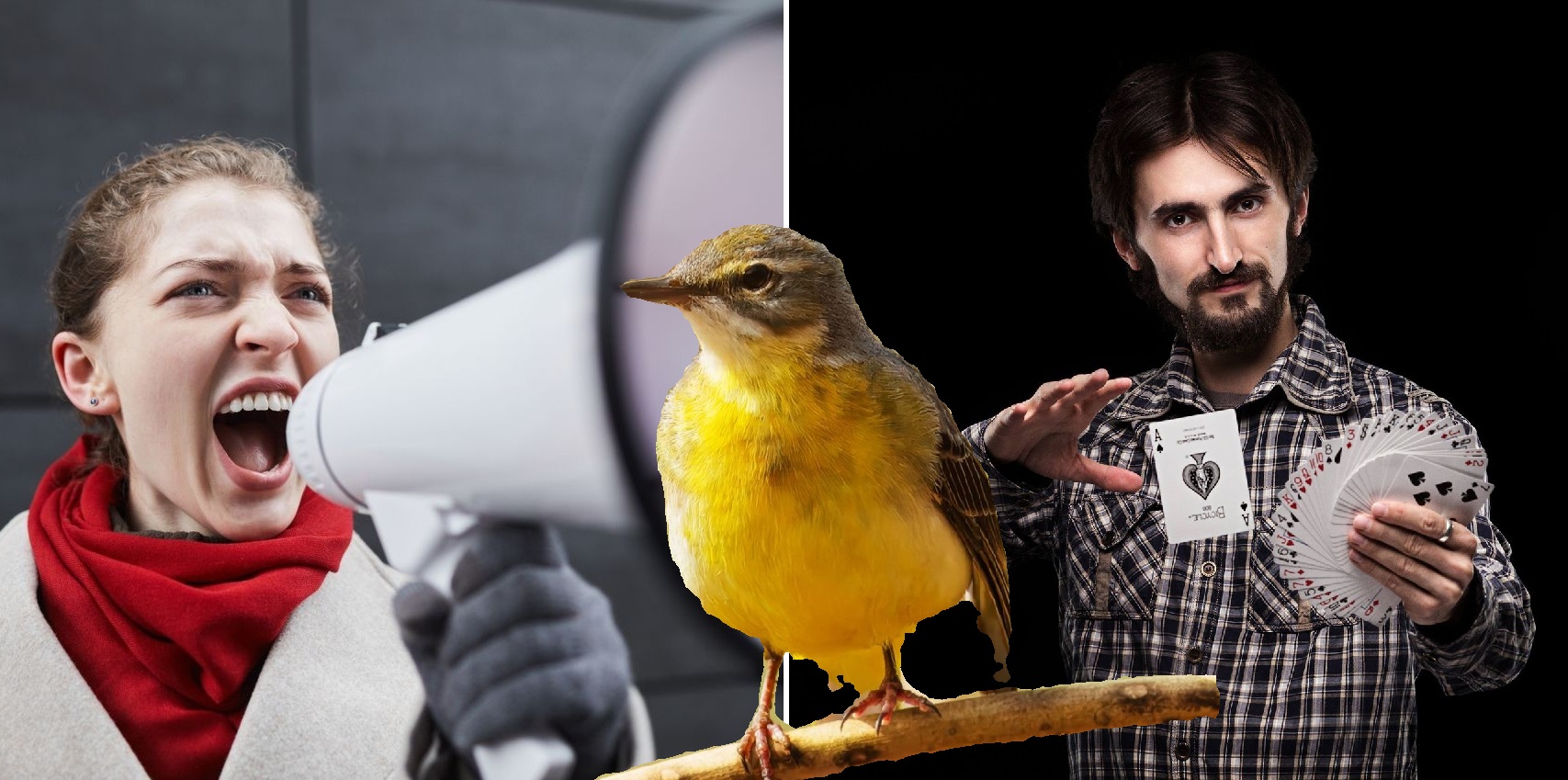
The original American Idol alleges a Brooklyn magic shop clerk “elevator eyed” her and refused to sell her an animatronic bird named Molly. The store alleges that they insisted Molly was not for sale, though there was a $15,000 price tag next to it, and offered to sell the singer comparable fowl for $2,000.
Shortly after her visit, Clarkson tweeted a diatribe against the business, which has now been viewed more than 46 million times, for treating her “like Julia Roberts’ character in Pretty Woman.”
As the feud evolved online, Art of Play says it was “attacked by 8 million people” (Clarkson’s follower count on X) and alleges employees were harassed at the store.
Small business PR and celebrity influence
The PR lessons from the feud are plenty. As an agency that works with many retail and consumer-facing brands, North advises our clients to treat a disgruntled customer with measured respect.
When emotions are running high, brands should resist the urge to match that tone. A public response can quickly become part of the story itself. The goal should be to lower the temperature and address the customer’s concern to avoid giving the dispute more fuel.
But this scenario also illustrated how much perceived power dynamics can shape public sentiment. It didn’t matter that Kelly is objectively and vastly wealthier and more influential than Art of Play and its owners. Public sentiment shifted according to who, between the two players, the public perceived as having the power and, inversely, who people could most relate to or see themselves in.
Crisis communications on social media
In crisis communications, North advises clients to approach messaging with concern, action and perspective: demonstrate care for the customer affected, show that you’ve taken action to resolve the matter, and put the crisis into perspective so it’s clear that the issue is not systemic. In a situation like this, even a simple expression of regret about the customer’s experience can help demonstrate empathy without requiring a brand to concede every point in dispute.
With this feud, it’s perhaps too simple to say, “the customer is always right.”
Clarkson certainly made a misstep herself in using her platform to call out the small business. Other observers have disputed the use of the label “small,” noting the “millionaire twin magicians” who own the shop and their co-owner’s bestselling children’s book. Regardless of the store’s balance sheet or its owners’ notoriety, they’re certainly less influential than Clarkson, who has been a well-known pop star and TV personality for nearly 25 years.
As a PR lesson, whether or not the singer should have named the store—and doubled down with a second response—is a secondary issue for consumer-facing brands of any size. Brands can’t control how a customer chooses to air a grievance. They can control whether their own response helps resolve the dispute or keeps it alive.
When social media enters the chat
Even at a smaller scale, social media can add fuel to a feud or help snuff it out.
When Diana LoMonaco, founder and designer of Classic Six, a small clothing business with less than 30,000 followers on Instagram, accused macro influencer Julia McGuire (400,000 followers) of allegedly stealing a the design of a jacket they’d sent her in partnership, LoMonaco’s followers flooded her post with support. They also flooded McGuire’s Instagram page with scolding comments.
“What responsibility do influencers have to independent brands whose work they encounter through these relationships?” LoMonaco wrote on Instagram. “Behind every piece from a small independent brand is more than a garment. There are months of development, countless revisions, financial risks, sleepless nights, and enormous belief in what you’re creating.”
After the comments section fallout, McGuire removed a post promoting her own jacket and related comments, including her own in defense of the design. LoMonaco used the moment to offer a limited time discount on her Classic Six jacket.
“Thank you again for reminding me just how powerful it can be when people show up for small businesses,” she wrote on Instagram.
While the Kelly Clarkson animatronic bird feud had seemingly no clear winner, LoMonaco can sing a different tune.
Meanwhile, Molly the animatronic bird now costs $15 million.